Building a dam on Australia's Sunshine Coast can be a great investment for rural property owners; it can provide water for livestock, irrigation, firefighting and also general land use.
Getting the most out of a dam takes a lot more than simply moving earth and creating a hollow; it's also recommended to carefully select the site, understand Queensland regulations and use correct construction techniques. Putting time into researching how to build a dam and following any local rules will ensure that your build lasts and provides a reliable water supply in the long-term.
At Fraser Earthworks, we understand the importance of getting the groundwork of dam building right from the start, so let's take a look into some key elements of taking on this work.
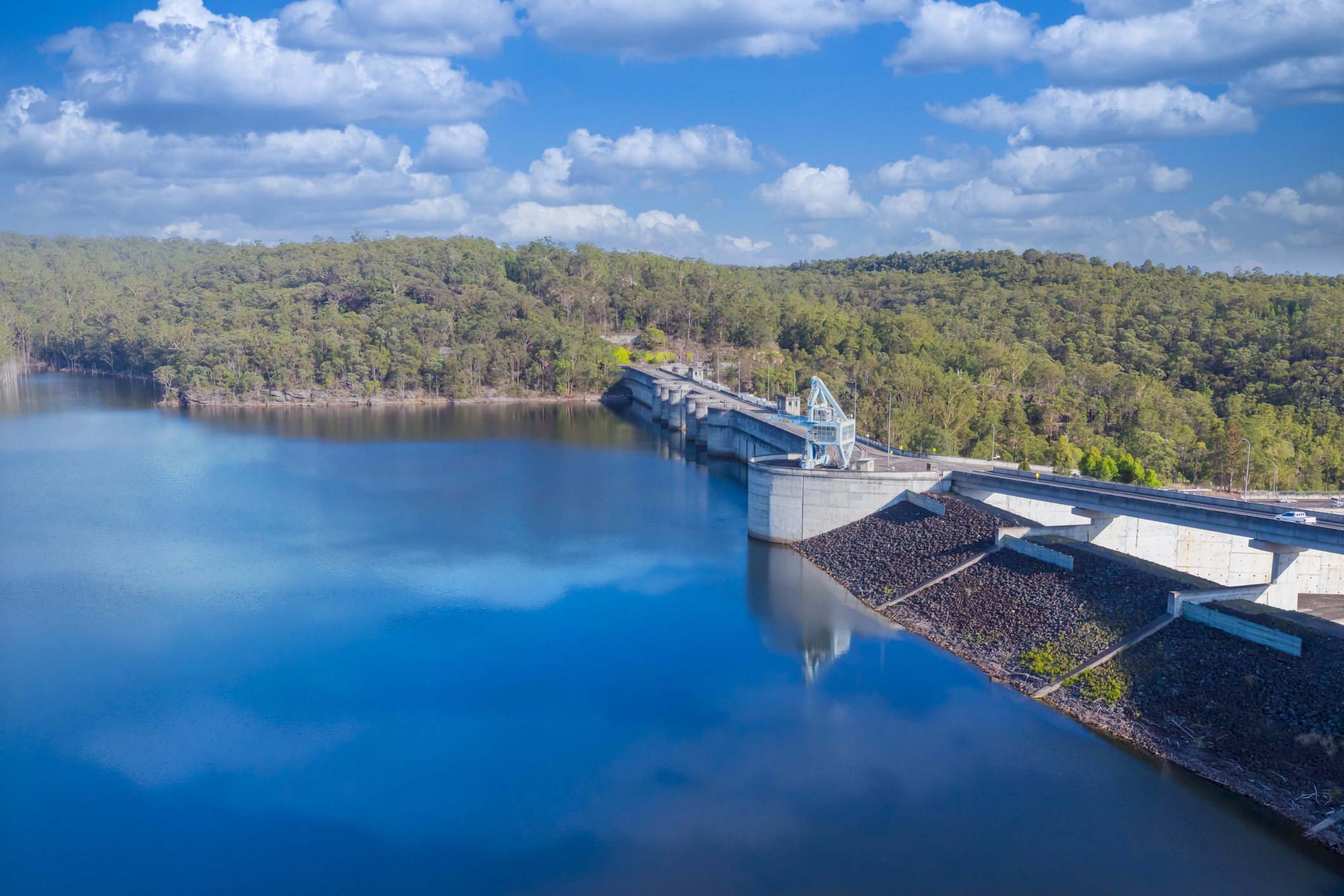
Siting a Dam: Catchment, Soil Clay Content, and Suitable Overflow Paths
The right location can make a huge difference to the dam's performance. To ensure correct siting, start off by assessing the catchment area – this determines how much rainfall runoff can flow into the dam. If a catchment area is too small, the dam may struggle to stay full. If it's too large, the dam could overflow or be unable to cope with stormwater.
Another thing which is equally as important is the condition of the soil. Soils rich in clay generally hold water better than ones which are sandy or gravelly, as these can allow water to seep away. By having your site inspected, suitable soil can be identified and it can also be determined whether additional clay material may need to be added.
The final thing to consider is excess water – it's important to know where this will go in case of storms or heavy rainfall. A properly designed spillway should safely carry overflow away from your property and any neighbours – this reduces the risk of flooding, erosion and dam failure. Weather on Australia's Sunshine Coast can often be intense and tropical, so planning for rainy conditions is imperative.
Approvals and Water Rules Which Landowners Need to Know
Before you begin constructing your dam, you should check relevant Queensland requirements and also those of any local government entities. Depending on the proposed size, location and purpose of your dam, approvals or licenses may be required. Some key starting points to look into are:
- Business Queensland – handy to find out planning requirements, dam safety and water licensing rules.
- Queensland Government – vegetation clearing approvals and checking whether clearing is permitted.
- Sunshine Coast Council – requirements for tree clearing on private property.
Being up to date on relevant rules and approvals before starting work can help to prevent any significant delays or added costs with your build.
Construction Phase: Key Trench, Compaction, Spillway, and Batter Slopes
Once your site has been assessed and approvals are in place, you can begin the construction phase. One of the most important steps is to prepare the foundation trench, which is also known as the key trench. This helps to anchor the embankment into the underlying material – reducing the risk of water seeping under the dam wall.
Compaction is also a critical element – suitable earth should be placed in layers and properly compacted to create a stable embankment. Spillways must also be designed to handle overflow water without washing away the embankment, and batter slopes – which form the sides of the dam wall – should have appropriate gradients to suit the soil type and dam design.
Silt Management and Long-term Maintenance
When soil washes into a dam from surrounding areas, silt can build up, and this needs to be managed as over time it can reduce storage capacity and affect water quality. Often, prevention is easier and cheaper than removing accumulated silt – so maintaining grass cover around the area, stabilising disturbed soil and appropriately directing runoff can reduce the amount of sediment which enters the water.
Maintaining these practices reduces your chance of problems in the long term, but if sediment accumulation does become an issue, professional advice can help you to determine what measures need to be taken, and how to prevent this reoccurring in the future.
Get Your Dam Site Inspection Today
Are you planning a new dam on the Sunshine Coast? If so, Fraser Earthworks can help you to take the next step – we have local experience and an understanding of the necessary groundwork involved in constructing an effective and long-lasting dam.
Contact Fraser Earthworks today to arrange a dam site inspection and discuss your project.
FAQs
Which property overlays can trigger earthworks approval?
Flood, bushfire, steep land and vegetation overlays can all affect what earthworks are possible. Flood overlays relate to ground levels and stormwater flow, bushfire overlays add access and vegetation considerations, steep land overlays raise slope stability and erosion, and vegetation overlays can restrict clearing of protected plants or trees.