A rural driveway is much more than just a route from the main road into your property – in many cases it needs to accommodate utes, delivery vehicles, tippers, trailers, tractors and heavy machinery. The area also needs to be able to cope with the hot and tropical Australian weather, and the heavy rainfall that could potentially lead to property damage.
Getting the design right from the start can prevent issues such as ponding, rutting, washouts and difficult vehicle access – a well-designed rural driveway combines the right dimensions, effective drainage and a properly constructed road base.
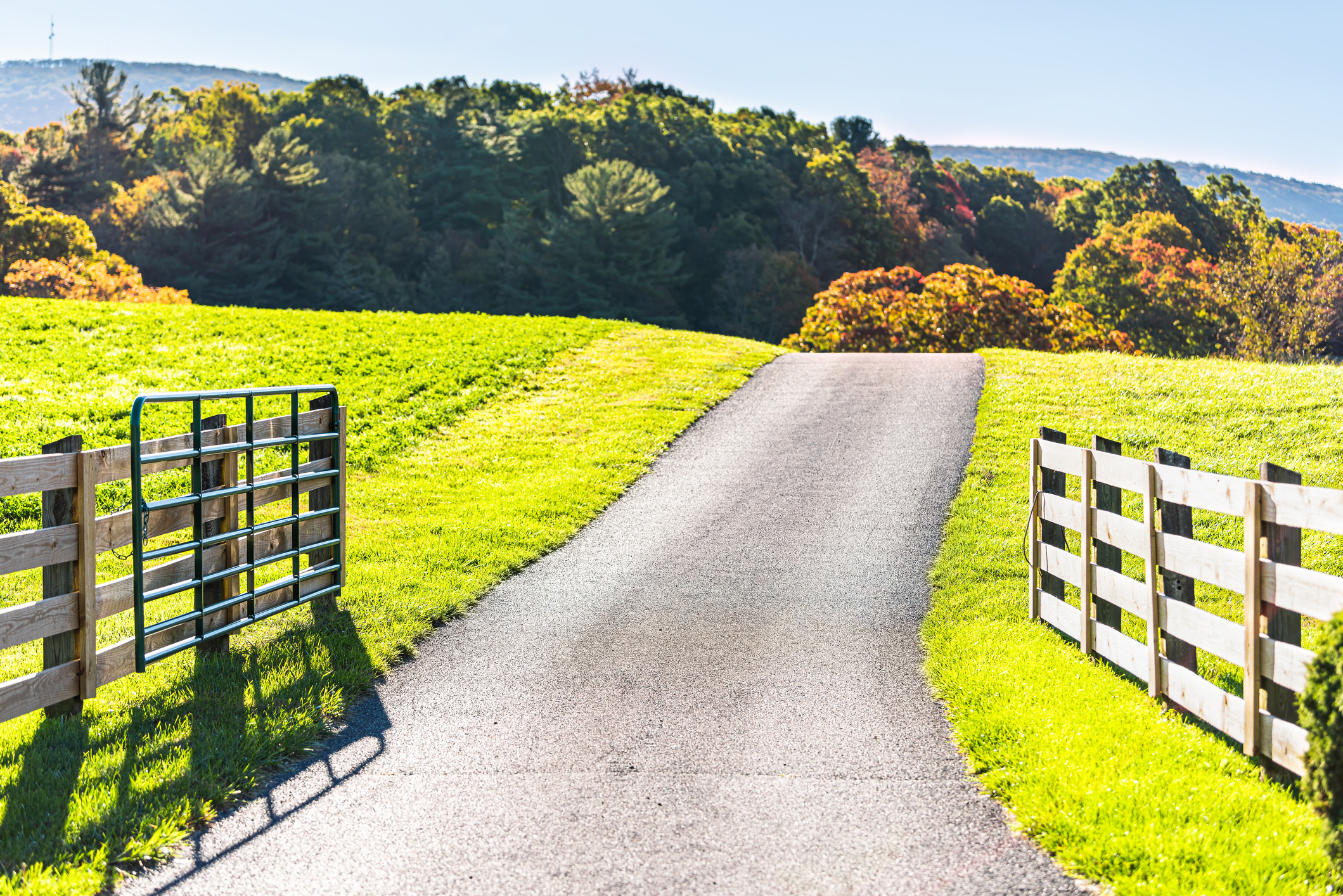
Width, Gradient, Crossfall and Turning Radius for Trucks, Tippers and Machinery
The first thing that you should consider when designing a rural driveway is the size of the vehicles that will be using it – a driveway which works well for a standard car may not be suitable for a truck, tipper, bulldozer or tractor.
It’s important to consider the width of the area, especially around bends, gates or parts where vehicles may manoeuver or pass each other. It’s also crucial to consider gradient – steep areas can make it difficult for larger or heavier vehicles, particularly in wet weather.
Another consideration to make is crossfall – a slight fall across the driveway can allow rainwater to drain away rather than puddle on the road. This means that good drainage is essential to avoid erosion and damage to the area.
Drainage Design: Culverts, Mitre drains, and Table Drains
One of the most common reasons for the deterioration of a rural driveway is poor drainage – even a well-built driveway can suffer from significant damage if rainwater is allowed to flow uncontrolled over or beneath the road surface.
Culverts can be utilised where natural drainage lines or roadside flows cross the driveway, allowing water to pass under the road. Table drains can help to collect and redirect water along the sides of the road, and mitre drains can help to divert water away and disperse it appropriately.
When designing a rural driveway, it’s important to consider drainage and design it around the property’s natural fall and expected water flow. Simply installing a pipe without thinking about where water will flow can cause erosion or flooding, resulting in significant damage to your property.
Base Build-up and Compaction: What Fails Without It
Ensuring that your driveway is durable and strong enough to stand the test of time is important, and this starts beneath the surface. If the underlying ground is unstable, soft, wet or poorly prepared, simply adding a layer of gravel won’t allow it to hold up in the long term.
Your driveway may require excavation, ground preparation or a layer of road base, depending on traffic volumes and the soil condition. Using materials such as crusher dust can also be useful as they help to create a firm and compact surface.
Both material selection and compaction are very important, as without proper compaction, the driveway is at risk of settling unevenly under repeated use. This means that potholes can occur in areas where water collects – risking damage to vehicles and requiring repeated repairs.
Access Requirements for Float Delivery and Emergency Vehicles
When planning a rural driveway, it’s important to consider access requirements for float delivery and emergency vehicles. Machinery floats and things like excavators can be considerably wider and longer than standard utes, cars or vans, and emergency vehicles may need reliable and safe access to homes and other areas on your land.
Gates, bridges, culverts, overhead obstacles, vegetation, tight corners and steep areas should be considered when planning. It’s wise to plan the driveway for the largest vehicle which may need access – this can save considerable expense and hassle if requirements change in the future.
Request Your Driveway Earthworks Quote
Whether you’re planning a brand new rural driveway or simply upgrading an existing access track, adequate planning can make a big difference to how it performs and how long it lasts. From proper drainage, earthworks and road-based preparation, each step needs to be considered and all aspects have to work together well.
Our team can assess your site, consider requirements and recommend appropriate drainage requirements for your property. Request your quote today and make sure that your driveway is built to last from the start.
FAQs
How do you build a rural driveway?
Prepare the ground first, then build a compacted road base and add drainage that follows the property’s natural fall. Excavation may be needed where the ground is soft or wet, and the design should suit the largest vehicle that will use it. Gravel alone will not hold up over an unstable base.
What is the best base for a rural driveway?
A compacted road base over firm, well-prepared ground. The right material depends on traffic volumes and soil condition, and crusher dust can help create a firm, compact surface. Compaction matters as much as material, because without it the driveway settles unevenly and potholes form where water collects.
How do you stop a rural driveway washing out?
Control the water. A slight crossfall lets rain drain off the surface, culverts carry flows under the driveway, table drains collect water along the edges, and mitre drains disperse it safely. Design drainage around the property’s natural fall, because a pipe installed without considering where water goes can cause erosion or flooding.
What access does a rural driveway need for machinery floats and emergency vehicles?
Plan for the largest vehicle that may ever need access. Machinery floats and excavators are wider and longer than utes and vans, and emergency vehicles need reliable access. Check gates, bridges, culverts, overhead obstacles, vegetation, tight corners and steep sections before you build.